For anyone eyeing a change from the traditional classroom or seeking a faster path to a rewarding, high-demand trade career, the world of skilled trades is being reshaped not just by new tools and technologies, but by a major leap in how we train. At National Trade Tech, we’ve seen first-hand how virtual reality (VR) is no longer just a buzzword—it’s a practical, accessible tool helping everyday people bridge the gap from theoretical learning to real jobsite confidence. Here, we explore why VR is revolutionizing skilled trades education, what it truly looks like in our programs, and how it’s accelerating employability in fields like HVAC, appliance repair, and electrical work.
Why Virtual Reality Is Moving Skilled Trades Forward
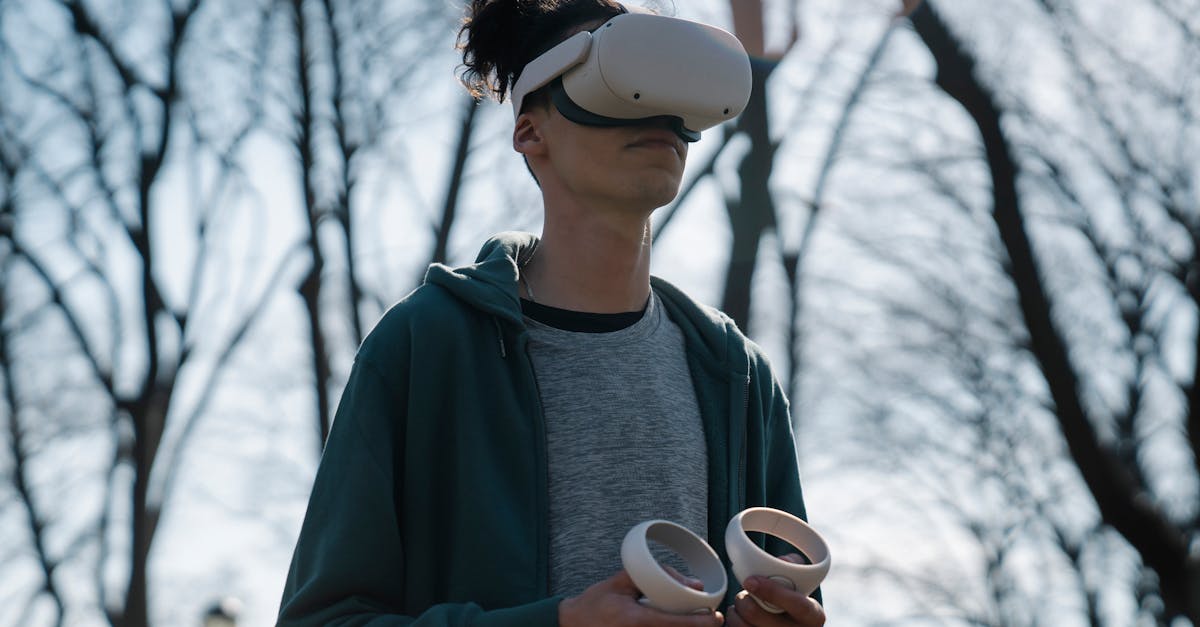
Traditional skilled trades education is incredibly effective when hands-on, but it comes with some clear challenges. Expensive equipment, limited access to facilities, and safety risks can slow down training or make it inaccessible for many people. VR is overturning those barriers by allowing learners to fully immerse themselves in real-world scenarios—right from their homes.
- Truly hands-on, without danger: Practice makes perfect, but in many trades, mistakes can be costly or unsafe. VR lets us offer risk-free environments, so students can experiment, repeat, and learn from errors—like trying out new wiring layouts or HVAC maintenance tasks—without the real-world setbacks.
- Instant feedback and guidance: With interactive VR modules, students get immediate coaching on their technique, safety, or troubleshooting process. This quick correction cycle builds muscle memory and self-assurance before students even reach a jobsite.
- Accessible from anywhere, anytime: Physical distance and busy schedules no longer force future tradespeople to put their plans on hold. You need only a headset and an internet connection to engage with our VR labs and instructors around the clock, enabling more flexible, self-paced progression.
- Cost efficiency and sustainability: VR saves on consumables like copper, refrigerant, panels, and more. For our students, that means less wasted material and lower training costs.
- Attracts a broader, tech-savvy generation: Younger learners—and those considering a midlife career shift—often value digital fluency. VR fits the learning habits of today’s workforce, creating a more level playing field for all backgrounds.
Inside National Trade Tech’s Approach: How VR Shapes Our Skilled Trades Curriculum
We designed our courses with one goal in mind: getting you job-ready as efficiently and thoroughly as possible, whether you’re new to the field or upskilling. Our Appliance Repair, HVAC, and Electrical Technician programs all incorporate VR as an optional component for those who want maximum immersion and flexibility. Here’s how we make it work:
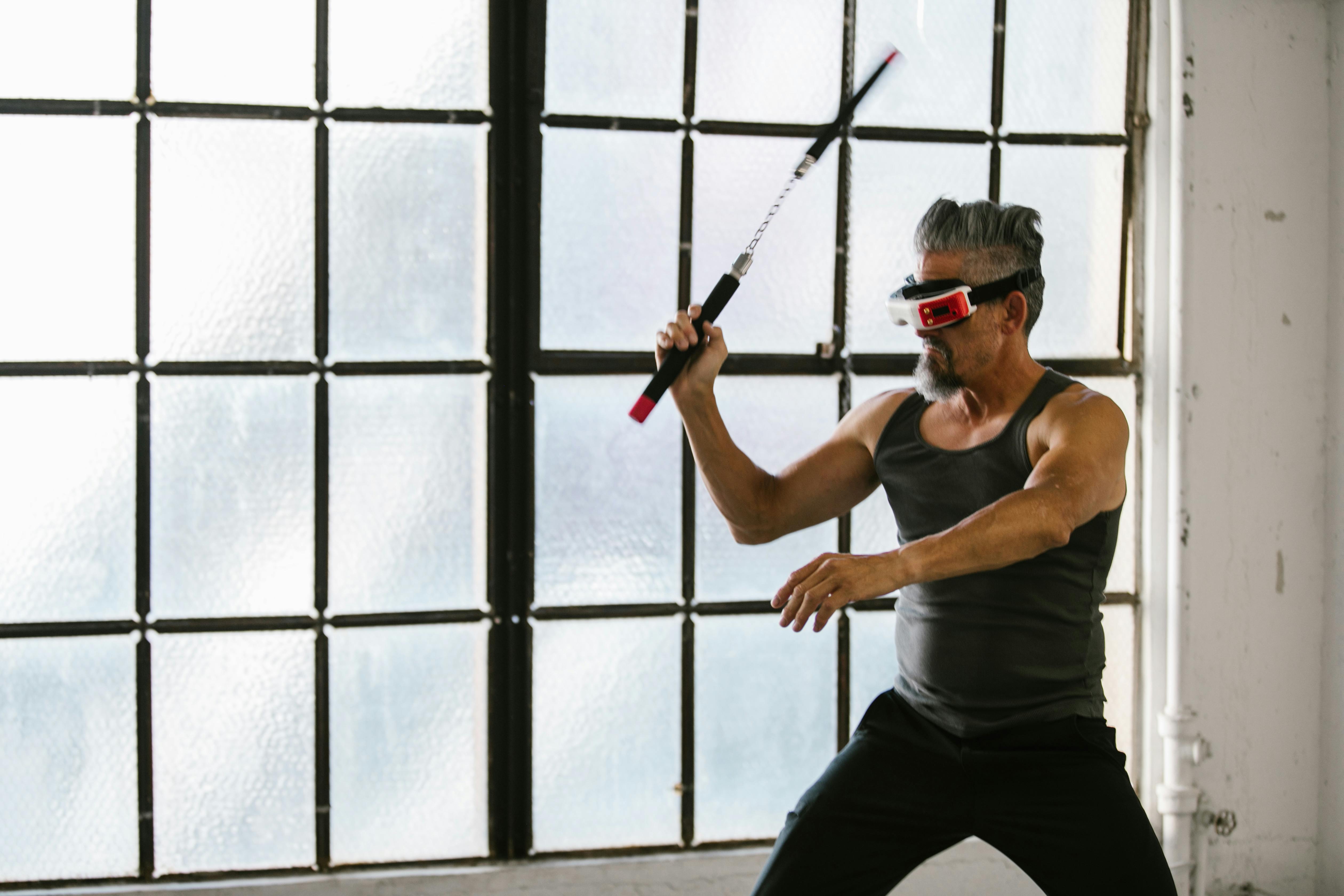
- Simulating complex jobsites: Experience a range of virtual worksites, from tight attic crawlspaces to commercial units, complete with safety hazards, varying equipment, and realistic work orders.
- Practicing critical skills, endlessly: Our modules let you install, diagnose, repair, and calibrate devices—repeating as often as needed until it’s second nature, without waiting for a lab slot or instructor availability.
- Industry-informed feedback: VR tasks are designed and reviewed by seasoned professionals in the trades. This ensures each scenario matches what employers expect, and students get feedback that reflects real workplace standards.
- Real-world certifications, less time: By mastering safety, repair, and installation skills virtually, our students often complete their programs in as little as three months. Our blended approach prepares you to earn industry certifications that open doors to well-paying jobs.
VR: Not Just Technical, But People Skills Too
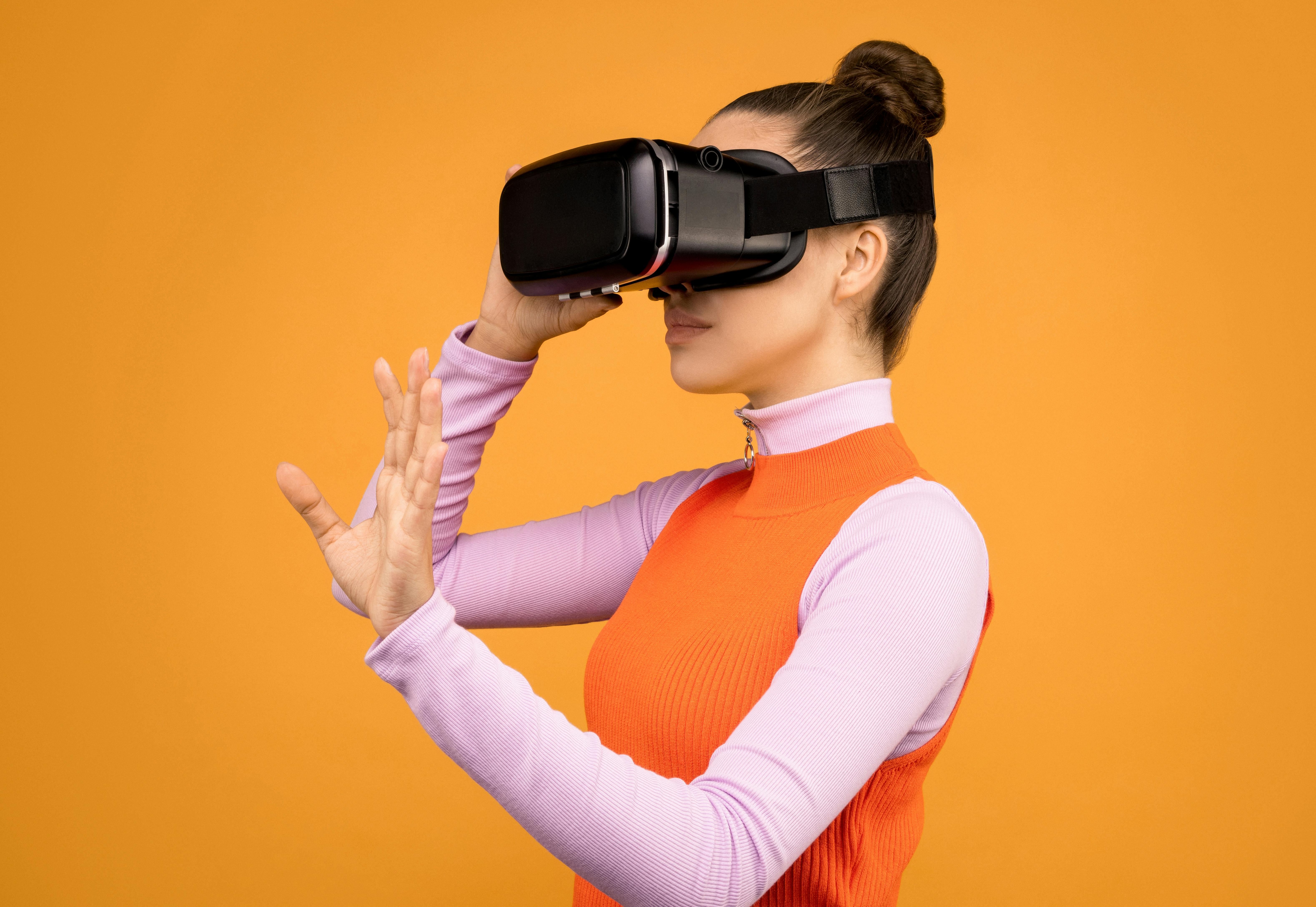
Many don’t realize how much trades professionals rely on communication, teamwork, and quick thinking. Our VR scenarios include:
- Emergency drills and safety routines such as lockout-tagout and confined space entry, preparing students for the most challenging jobsite realities.
- Mock customer interactions so you can practice explaining repair issues, setting expectations, and delivering great service.
- Collaborative projects with classmates or virtual partners, fostering teamwork while solving complex repair or installation tasks.
What Graduates Can Expect: Outcomes That Matter
- Quicker program completion: Most students complete our self-paced, online programs in three months, compared to one or two years at many community colleges.
- Competitive pay and high demand: For HVAC graduates, for instance, median compensation now exceeds $68,000 according to the Bureau of Labor Statistics.
- Career services, included: All our programs include job placement support, resume reviews, interview prep, and direct connections to employers through our partner network. This support continues after graduation until you’re settled in your new career.
- Confidence from day one: Graduates report feeling well-prepared for both certification exams and their first jobs, thanks to repeated practice and immediate feedback within the VR labs.
Steps to Start Your Own Career Transformation
- Try before you commit: Sign up for our free 7-day trial to experience sample VR modules and courseware.
- Pick the right path: Choose between Appliance Repair, HVAC, or Electrical, knowing each program features interactive, hands-on virtual labs and leads to recognized industry certifications.
- Affordable access for all: With tuition starting as low as $99/month and flexible payment/financing options, changing careers no longer requires a giant upfront investment.
- Learn at your own pace: Our remote, self-driven programs fit around your job, family, or other commitments.
- Leverage our ongoing career support: Our team helps with job searching, resume building, and even mock interviews—support that continues after you graduate.
What Makes Our Approach Unique?
We believe effective trade education is about much more than memorizing how-to guides or watching one-off video demos. By blending hands-on VR exercises with mentorship and career coaching, we’re able to foster lasting skills and real employment outcomes—especially for career changers looking for a faster, more direct route into high-pay, stable jobs. If you want to compare this model with other up-and-coming learning styles, check out our companion blog, Stackable Skills vs. Microcredentials: What’s the Best Path for a 2026 Career Change?.

The Future Is Ready—Are You?
Virtual reality isn’t just changing the way we train—it’s changing who is able to step into vital skilled trade careers. If you’re ready to leave the crowded classroom behind for an interactive, job-focused program built for real-world results, we’d love to help. Visit National Trade Tech to learn more or schedule a call with our team. The future of skilled trade training is here, and it’s more accessible than ever.