The world of online trade schools is changing at a pace few could have imagined a decade ago. At National Trade Tech, we see the evolving intersection between traditional hands-on trades and the demand for digital and AI-driven skills every day. For people looking to change careers in 2025 and beyond, understanding these shifts is crucial for making smart choices about education and future-proofing your skill set.
Why Trade Schools Must Embrace Digital Skills and AI
As nearly every industry digitizes aspects of its operations, the expectation for both technical savvy and hands-on capability is rising. In fields like HVAC, electrical, and appliance repair, the tools of the trade now include not only wrenches and meters but also smart diagnostics, cloud-based systems, and connected devices. This means students need a blend of traditional expertise and the ability to navigate modern technology.
Online trade schools like National Trade Tech have responded by integrating technical skills with digital learning experiences, helping adult learners keep pace with an environment where tech advances rapidly, and where AI is beginning to impact everything from scheduling to diagnostics to business operations.

Integrating Technology Into Hands-On Trades
In the past, trade education was almost entirely in-person and physical. Now, we’re seeing a true transformation:
- Interactive Online Modules: Courses at National Trade Tech incorporate interactive simulations that mimic real-world scenarios, so students can troubleshoot, diagnose, and repair before ever touching physical equipment.
- Optional VR Simulations: For those seeking a more immersive experience, virtual reality allows for realistic practice in a safe, repeatable environment, helping reinforce concepts before entering the field.
- AI-Enhanced Learning: Personalized feedback, adaptive quizzes, and smart progress tracking help students master content faster and highlight areas needing focus.
This doesn’t replace hands-on learning—students still need to demonstrate real skills—but it layers in the kind of technological literacy that’s essential for modern workplaces. As industries automate and adopt smart devices, technicians who can interact with both hardware and software have the edge.
Digital and AI Skills Critical for the Modern Tradesperson
Trade jobs today demand far more than technical manual skill. Here are the digital skills that are now part of our core programs:
- Digital diagnostics: Learning to interface with smart appliances, HVAC systems, and electrical monitoring equipment that rely on digital controls and data outputs.
- Cloud-based platforms: Many job tasks, from scheduling to inventory management, are handled in the cloud. Navigating these systems is vital for both technicians and small business owners.
- Artificial Intelligence awareness: From automated troubleshooting to predictive maintenance, understanding how AI can support (or disrupt) your work is now a baseline skill.
- Cybersecurity basics: As more systems are connected, protecting customer and business data is a must in trade environments.
Our courses ensure students aren’t just learning to repair or install, but also how to thrive in a connected business landscape—opening the door to more roles and faster career advancement.
AI Personalization: A Game Changer for Adult Learners
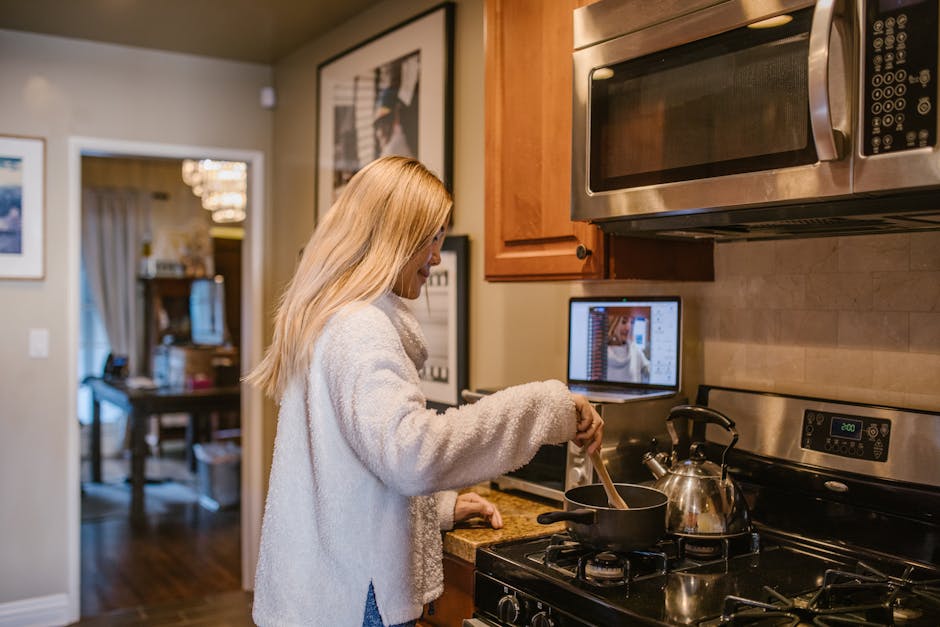
One of the most exciting advances in online education has been the use of AI to personalize the learning experience. Here’s how this helps our career-changing students succeed:
- Customized Learning Paths: AI tracks your progress and offers targeted resources or alternate explanations for topics you find challenging, helping you get past learning plateaus faster.
- Real-time Feedback: Immediate, actionable insights after quizzes or practical simulations let you correct mistakes before they become habits.
- Adaptive Assessments: Exams and practice tests adjust in difficulty depending on your performance, ensuring you’re always challenged but never overwhelmed.
This approach makes education more supportive for adults who may be balancing family, work, and study. You can go at your own pace and focus energy where it’s most needed—leading to faster progress and greater confidence.
Why Digital Fluency Opens Up More Career Paths
Many people choose trade school to make a career change quickly—often in as little as 3 to 12 months. But digital skills learned alongside trade skills multiply your options. For example:
- Technicians who understand smart systems can command higher wages and advance into supervisory or training roles.
- Business owners who use digital marketing, cloud accounting, and AI-driven customer service grow faster and run more efficient operations.
- Workers comfortable with project management apps, VR simulations, and connected devices can bridge gaps between field techs and IT teams, making them invaluable across organizations.
Even for those entering traditional trades, being tech-forward means you’re ready for the job market of today—and tomorrow.
How National Trade Tech Makes Digital-First Trade Education Accessible
We believe that education for tomorrow’s trades should be:
- Fully remote and self-paced: So you can learn wherever and whenever it works for you.
- Affordable and flexible: Our tuition is a fraction of traditional schools, and we offer transparent payment plans and access to government grants for qualifying students (see admissions options).
- Career-focused: Our curricula are built around certifications that employers recognize. Each program includes practical training and guidance from industry-experienced instructors with personalized support the whole way.
- Connected to real jobs: Our career services tie your education directly to job placement, offering resume help, interview support, and access to a national partner network—all included in your tuition (learn about career services).
This approach puts rapid, practical career change within reach for busy adults and career changers, whatever your starting point.
Continuous Upskilling: Adapting With Technology
The old idea that you “learn once and work forever” is over. In trades, especially as automation and AI reshape tools and workflows, continuous upskilling is essential. At National Trade Tech, we encourage a lifelong learning mindset by making it easy to come back for new modules or certificates as your field evolves.
For example, once you earn your Appliance Repair or HVAC certification, you might return for a business or accounting course if you’re ready to run your own company. Or, if your work starts to involve more smart home installs, you can add a digital systems or cybersecurity module without starting from scratch.
Tangible Outcomes: What Career Changers Should Expect
If you’re considering a switch to the skilled trades, the return on investment is more than just a new job. Our students find that they leave with:
- Practical certifications that signal job readiness to employers.
- Digital confidence that opens doors to tech-driven opportunities in traditional fields.
- A clear career roadmap, with connections to employers and industry partners.
- Support throughout the journey—from your first lesson to landing your next job.
Median compensation data shows HVAC techs can earn $68,100/year, and as trades continue to modernize, those leveraging digital and AI skills will be best positioned for salary growth and security (Bureau of Labor Statistics reference).
For more insights on successful career shifts, check out our guide Top Fast-Growing Careers You Can Train for Online in 2025 (No Four-Year Degree Needed).
How to Choose the Right Online Trade School for the Future
If you want to future-proof yourself in this era of digital skills and AI, not every trade program will suffice. Here’s what to look for:
- Programs that blend hands-on trade fundamentals with digital modules, not just as a side track but integrated fully
- Flexible and remote options for working adults
- Access to experienced instructors who offer real-world guidance—not just automated content
- Career services that do more than offer resume templates—look for job fairs, mock interviews, and direct employer connections
- Up-to-date certifications and optional training in connected devices, cloud systems, or AI basics depending on your field
If you’re weighing your options, our blog How to Choose the Right Online Trade Program for a Fast Career Change: What to Look For in 2025 offers a detailed checklist.

The Bottom Line: Digital Trades are the Path Forward
The integration of AI, virtual simulations, and digital literacy isn’t a passing trend—it’s the foundation of skilled careers from 2025 onward. The modern tradesperson is as comfortable with a tablet as with a toolbelt, and those able to bridge that gap are in high demand, whatever their chosen field.
At National Trade Tech, we’re committed to helping adults and career changers step confidently into this future—whether you start in appliance repair, HVAC, or electrical, every course equips you not just for a job, but for a new career in a digital age.
If you’re ready to take the first step toward a flexible, future-focused trade career, book a free consultation or explore our programs here. The future of skilled trades is digital—and accessible to anyone ready to learn.